Outbound Does Not Fail at the Send Button
Outbound teams often react to weak performance by changing the most visible thing: the message.
Blog
Practical thinking on outbound strategy, buyer research, personalization, deliverability, AI-assisted sales workflows, and the future of qualified pipeline generation.

Outbound teams often react to weak performance by changing the most visible thing: the message.

Many teams describe an ideal customer profile as a broad statement: “B2B SaaS companies with 50 to 500 employees,” or “professional services firms selling to enterprise.”.

Outbound research has improved dramatically. It is now easy to find funding announcements, executive changes, job openings, product launches, technology usage and recent posts.

Most outbound dashboards become interesting at the reply.

Reply rate is one of the easiest outbound metrics to understand, which is why it receives so much attention.

The word personalisation has become too broad to be useful.

There is a familiar pattern in modern cold email.

Most outbound writing processes begin too late.

There is a simple way to improve a large percentage of personalised outbound: ask what each researched detail is doing in the email.

Some of the strongest outbound messages are almost disappointing to analyse.

The modern sales stack makes it easy to launch an outbound sequence.

Outbound programmes rarely fail in a dramatic moment.

Deliverability is frequently discussed as a technical topic: domains, authentication, bounce rates, warmup, sender reputation and inbox placement.

There is a common mismatch inside outbound teams.

Qualification is often treated as something that happens after a prospect responds.

The phrase “AI SDR” makes outbound automation sound like a single task. It is a category name, not a description of how the work actually divides.

AI sales products are often described on a spectrum from manual to autonomous, with the assumption that more autonomy is always better.

AI voice is becoming easier to deploy, which creates both opportunity and risk for outbound teams.

Automation conversations often focus on what an AI system can do.

The sales technology market has spent years promising less manual work.

Founders often own the first version of outbound for a good reason.

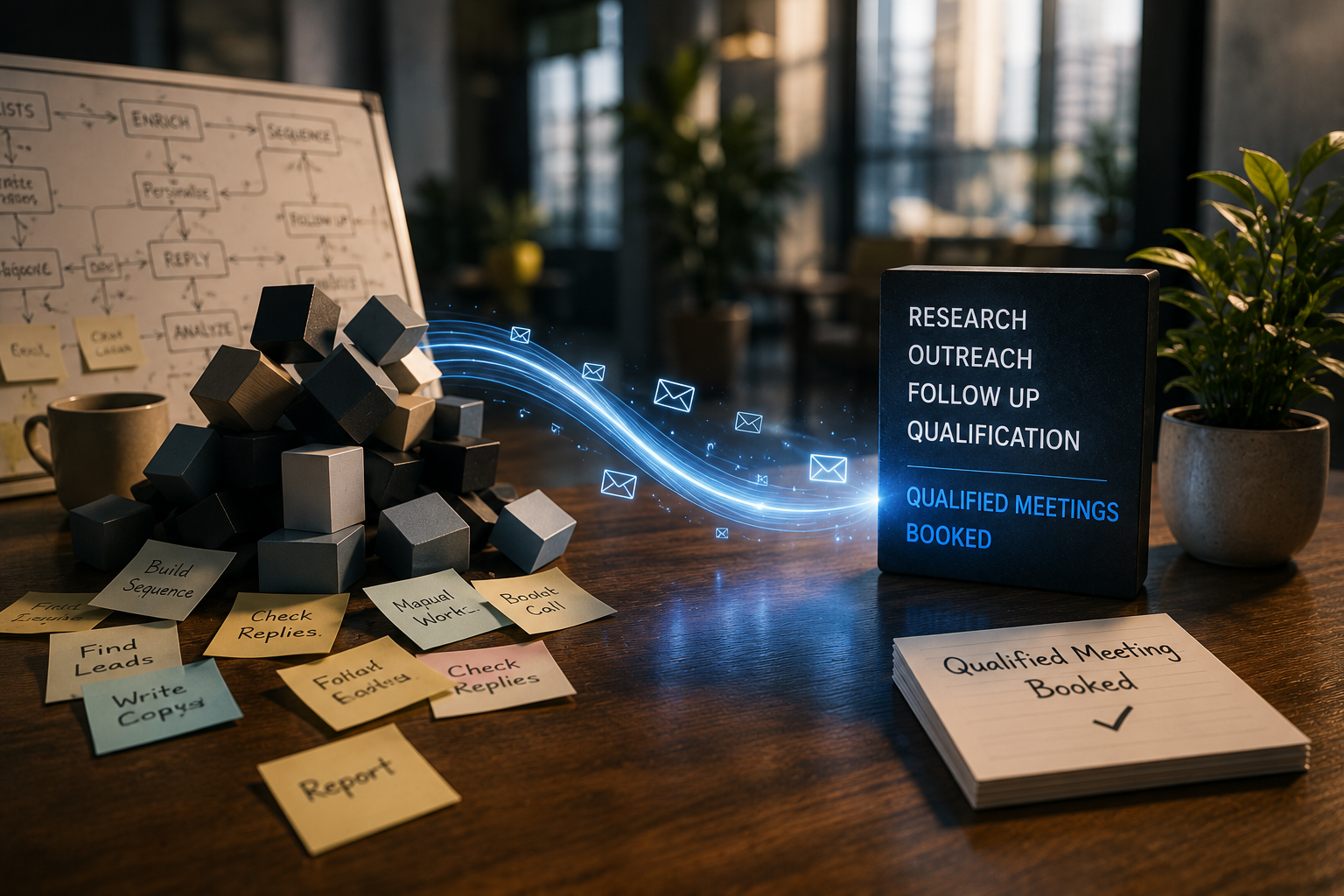
The outbound rep’s role has accumulated a surprising amount of work that is not really selling.

Sales software is usually compared on subscription price.

Companies often compare managed outbound with adding another rep as if they were two versions of the same purchase.

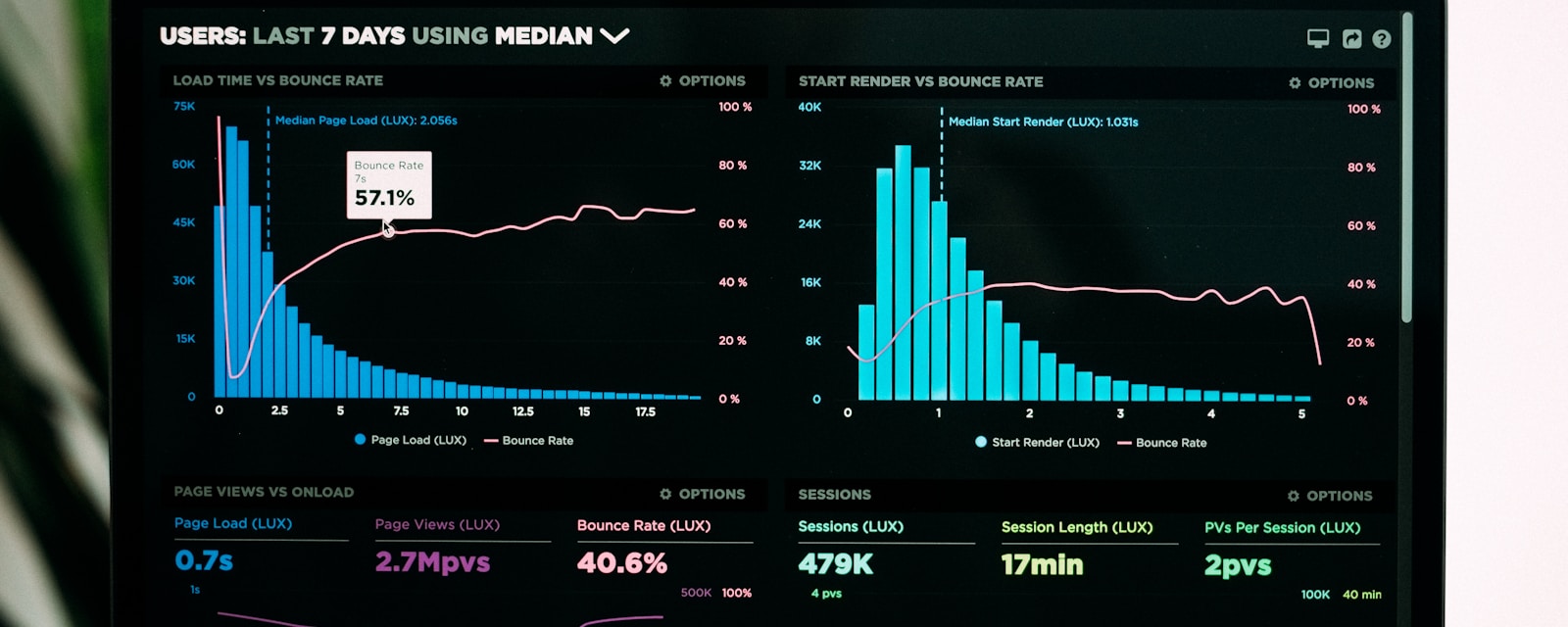
Outbound reporting often produces a large amount of data and surprisingly little clarity.

Outbound teams usually discuss opt-outs in the language of compliance and deliverability.

Trust is often treated as a support function around growth.

AI has made it dramatically easier to generate and send outbound messages.

“Meetings booked” is a common outbound outcome metric.

There is a version of outbound where the entire company can feel the machinery.

Most B2B teams have purchased an AI outbound tool. Fewer than a third are getting consistent pipeline from it. The gap is the stack — five layers that separate a working programme from an expensive experiment.

The spray-and-pray era is over. The outbound programmes that turn into qualified pipeline are not louder — they are more disciplined, more consistent, and easier for buyers to trust.

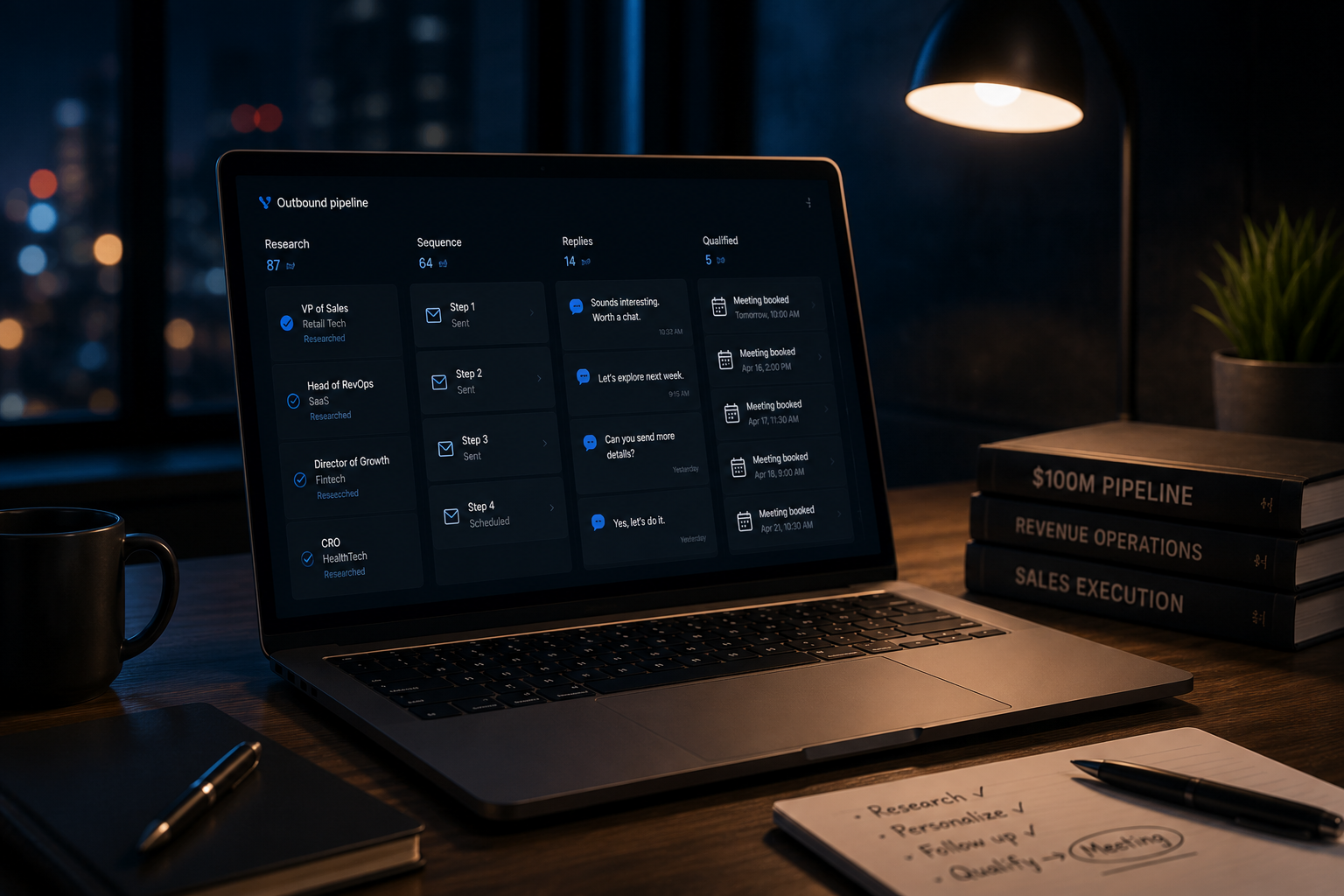
A warm reply is not a meeting. The gap between the two is where most pipeline disappears — and almost nobody tracks it.

When a founder realizes their outbound programme costs more in context-switching than revenue, everything changes. This is the story of choosing focus over presence.

Most teams think personalisation means a custom opener. The buyers reading those emails think it means a template. True personalisation runs deeper — and the difference is measurable.

Every B2B team has access to the same AI outbound tools. Most are producing the same results: high send volume, low reply rates. The tools are not the problem.

Most outbound programmes fail before a single email is sent. The list is the problem — and almost nobody checks it first.

The hidden weight of running outbound internally — and what changes when the meetings just appear on your calendar.

The B2B sales tool market has spent five years convincing companies that outbound is a software problem. It is not.

There is a version of running a B2B company where the top of your funnel is not something you think about.

The salary is in the job description. The real cost — ramp time, management overhead, failure rate — rarely makes it into the business case.

A two percent reply rate means ninety-eight people ignored you. That is not a volume problem. It is a relevance problem.

The companies running AI SDRs are not publishing case studies about it. They are quietly booking meetings with your prospects while you are still manually reviewing contact lists.

No SDR wrote a single one. No human reviewed a contact list. The entire cycle ran autonomously — and the results changed how we think about what autonomous outreach is capable of.

Manual outreach has a visible cost and a hidden cost. The visible cost is manageable and well-understood. The hidden cost is larger, less obvious, and compounding.

Most founders think about pipeline in terms of what they are doing to generate it. What changes when pipeline is something that happens reliably in the background, while you focus on everything else?

The function of the SDR has been structurally disrupted by autonomous systems that outperform human SDRs on every measurable dimension. 2026 is the year those systems move from early-adopter to mainstream.

Apollo.io excels at prospect intelligence. Veneris automates the entire outreach workflow. The difference determines whether your team spends time researching or closing.

Outreach.io powers sequences at scale, but still requires SDRs to operate them. Veneris removes that dependency entirely, letting AI handle the full pipeline.

Salesloft optimizes your existing SDR workflow. Veneris replaces the SDR workflow entirely. The choice depends on whether you want to improve what you have or eliminate the bottleneck.

Instantly.ai excels at email delivery. Veneris replaces your entire SDR workflow. Understanding the difference shapes how you scale outbound.

Clay is a powerful platform for teams with GTM engineering resources. Veneris is a managed programme that delivers the same outcomes without requiring internal infrastructure.

Lusha delivers contacts. Veneris delivers conversations. The gap between data and actual outreach is where most B2B teams lose momentum and deals.

ZoomInfo delivers contact intelligence at scale. Veneris converts that intelligence into closed pipeline without manual SDR work. The difference isn't data—it's what happens after you have it.

Amplemarket finds buying signals. Veneris acts on them. The difference between knowing opportunity exists and actually closing it.

Both platforms promise B2B contact data at scale. But one validates before sending. The difference compounds across your entire sales cycle.

6sense tells you who's buying. Veneris tells you who's buying, then closes them while you work on strategy. The gap between signal and action is where deals die.
Lemlist excels at template personalization, but requires your team to write, launch, and manage every campaign. Veneris handles the full cycle autonomously. Here's what that means for your pipeline.
Smartlead handles deliverability. Veneris handles everything else. Here's why that distinction matters for your pipeline.
Reply.io layers AI onto traditional sequencing. Veneris was built autonomous from the ground up. The difference compounds across research, writing, sending, and reply handling.
Woodpecker handles follow-ups well. Veneris owns the entire prospecting cycle. The difference compounds when your team scales.
Lavender trains your team to write better emails. Veneris writes and sends them—then measures what actually converts. The difference shapes your entire sales motion.
Expandi automates LinkedIn sequences, but still requires manual targeting and human-defined workflows. Veneris coordinates email and LinkedIn without intervention. Here's what that means for your pipeline.
Waalaxy automates LinkedIn sequences at scale. Veneris automates research-backed personalization. The difference determines whether prospects see a template or a conversation starter.
Dripify automates outreach through templated sequences. Veneris researches each prospect first, then writes. The difference compounds fast in B2B sales.
Regie.ai generates sales copy. Veneris books meetings. The difference isn't semantic—it's architectural. Here's what that means for your revenue ops.
Gong records what happened. Veneris prevents wasted calls from happening. Two different problems, two different solutions—and your pipeline depends on choosing the right one.

11x offers autonomous workers you configure and supervise. Veneris handles outbound end-to-end and books qualified meetings. The difference is operational: one adds complexity; the other removes it.

Both platforms automate outbound, but they solve different problems. One leaves you managing a dashboard. The other books qualified meetings and hands them to your team.

Two approaches to AI outbound exist. One chases reply rates through scale. The other builds qualified pipeline through precision. The difference matters more than you think.

Humanlinker generates icebreakers and hands work back to your team. Veneris runs the entire outbound cycle end-to-end, freeing SDRs to focus on closing.

MeetAlfred automates LinkedIn outreach once your team builds audiences and copy. Veneris builds, writes, and sends—freeing SDRs to focus on closing deals.

Overloop puts an AI agent inside your CRM workflow. Veneris removes the workflow entirely—handling research, messaging, follow-up, and qualification so your SDRs focus on closing.

Saleshandy sequences at scale. Veneris owns targeting, copy, and replies—so scale doesn't multiply your team's workload. The difference between sending more and booking more.

QuickMail solves inbox placement. Veneris handles inbox placement plus the research, writing, and follow-up that actually generates qualified meetings.